
Poetry: FIGHTING FOR MY RIGHTS

By: Lavanya Kathirgamanathan Freedom for me Is not always Granted. I always wonder, How would it be? Then again, I am dark skinned Not a lot of Good outcomes. For my skin colour Or the way I look Right now, My mind is thinking, Intrusive thoughts, Yelling, Screaming. Reasoning with myself that It is okay, it has Got to happen, but Hopefully one day There is an end for the fight To be seen, heard, loved Someday, it will.
Poetry: My Brown Skin

By: Lavanya Kathirgamanathan My Brown Skin Born with power Melanin queen Every day, every hour People may look at me But that is fine Ignorance is bliss And this skin is mine for life. My Brown Skin Holds truth and fear Sometimes it worries me What might be near, Racism, Colourism, Discrimination, and more, Why would I suffer when Brown skin is everything I live for? My Brown Skin Makes me who I am Sweet like chocolate, Walking the streets with a BAM! The intrinsic beauty lies Within the colour of skin, Why do some people Think it is a sin? My Brown Skin Is filled with joy Like a kid in a candy store, Or even getting a toy Walking down the street With a smile, filled with glee I am one of a kind, Who else will there be? My Brown Skin, Is a blessing to my heart It holds my personality, And I am a work of art No one should ever Bring you down for your looks If fear arises against you, Look at them and smile with confidence, Ignore them, and leave them bewildered.
The Life and Legacy of Harry Belafonte

By: Priscilla Wiredu On May 2, 2023, Olympic Medalist Frentorish “Tori” Bowie died after experiencing complications from childbirth. Bowie was eight months pregnant at the time of death with a well-developed fetus when she was going into labor. Reports claim that Bowie may have been having respiratory distress as well as eclampsia; a condition where someone develops seizures following a sudden spike in high blood pressure. As tragic as Bowie’s preventable death was, her death is a wake-up call for many about an alarming trend occurring in America; the mortality rates of Black women in maternity and reproductive rights. Pregnancy-Related Deaths The issue of Black maternity falls on many facets when it comes to reproductive health. Black women have the highest maternal death rate in America than any other ethnic group. A 2021 study revealed that the rate was 69 percent per 100,000 births, making it three times higher than the rate for White women. The most obvious answer to such a jarring trend is simple: racism and discrimination. Maternal emergencies are a common issue amongst Black women. Celebrity status or not, both Serena Williams and Beyonce are two famous Black celebrities that have borne children of their own and faced life-threatening complications with their pregnancies. This issue has been stated as a public health emergency and an impediment to human rights since most of these deaths could have been prevented. In the final stages of a pregnancy being monitored, Black women often experience being undervalued. If they state any unusual symptoms, they are dismissed for their feelings and are told their conditions are not severe. Racial biases can impact the credibility of quality healthcare as complications can impact the level of care patients receive. These problems can stem from direct care or communication issues, where medical history fails to get passed along on behalf of the patient. There are socio economic ties to it as well. Black women fail to follow a healthy diet during pregnancy due to the lack of access to nutritional food. Other issues like poverty, unemployment, and a lack of a proper education about childbirth also contribute to the issue with Black maternal death. Access to Abortion It is not only childbirth that Black women have to deal with; but also abortion access. After the overturning of Roe v. Wade (1973), the concerns for Black women and bodily autonomy became more trivialized. Without equal access to abortion, it is estimated that Black women will have a 30 percent increase in mortality rate from pregnancy and/or childbirth. Also, an increase in the risk of health complications, teen pregnancy, and financial burdens. Black women lack proper access to prenatal care. It is especially limited for Black women who live in low-income areas. Black women in the U.S. are more likely to become obese, which leads to the risk of gestational diabetes, hypertension, and other pregnancy complications. If aftercare is not received, obesity will gradually rise among Black women. On April 25, 2023, legendary calypso singer and activist Harry Belafonte passed away at 96, according to his spokesperson. As a famed singer, Belafonte was noted for his popular song “Day-O” (or “The Banana Boat Song”). The song offers a unique musical experience, with catchy phrases that touch upon problematic issues of the working class during colonization. Belafonte continuously made a tremendous impact on the world not only through his music but his impact on advocating for equality. Belafonte is an icon in the Black community who was well known for his initiatives in fighting against racism, poverty, apartheid, and many other injustices in society. Belafonte was clever in meshing upbeat rhythms with dystopian issues to instil messages in his audiences of the harsh realities Black people faced during slavery. The Black Voice Team commemorates Harry Belafonte. Early Life Harry Belafonte was born as Harold George Bellafanti Jr. on March 1, 1927, in Harlem, New York City. Belafonte was of mixed descent born to West Indian/Jamaican parents, and was raised Catholic. Belafonte lived with one of his grandmothers in Jamaica for eight years, and upon returning to New York City, he dropped out of high school to enlist in the U.S. Navy and served in the Second World War. In the 1940s, he worked as a janitor’s assistant where he was gifted with two tickets to the American Negro Theatre. Befriending the late famed actor Sidney Poitier, Belafonte fell in love with the art form. He and Poitier spent their free time attending local plays, trading places between acts, and informing each other about how the play is going. By the end of the 40s, Belafonte enrolled in acting classes at the Dramatic Workshop of the New School in NYC, alongside Bea Arthur, Poitier, Marlon Brando, and Tony Curtis. He learned viable skills from these reputable actresses and actors in the performing arts scene. He would occasionally perform acts at the American Negro Theatre. He won his first Tony Award in the Broadway play John Murray Anderson’s Almanac in 1954. Rise to Fame In 1950, Belafonte became a folk singer through intensive researching and practicing songs from the Library of Congress’s American folk song archives. He gained tremendous fame when he started to sing Caribbean folk songs in nightclubs and theatres, attracting lively audiences. With his noted songs “Day-O” and “Jamaica Farewell,” he created the fad of calypso music and was named the “King of Calypso.” In the mid-1950s, Belafonte received his first hit when he released his folk song album, Harry Belafonte, Mark Twain, and Other Folk Favorites. It was also during this time he made his Broadway debut in Almanac and later on he starred in a stage play, 3 for Tonight and Belafonte at the Palace. Belafonte starred in several films and musicals throughout the 50s, before pursuing other hobbies and interests. In the 60s, he became the first African American television producer, credited with several productions. During his recording career, Belafonte’s notable albums included Swing Dat Hammer (1960) where he was awarded a Grammy
Relatable Issues School Daze Touches On
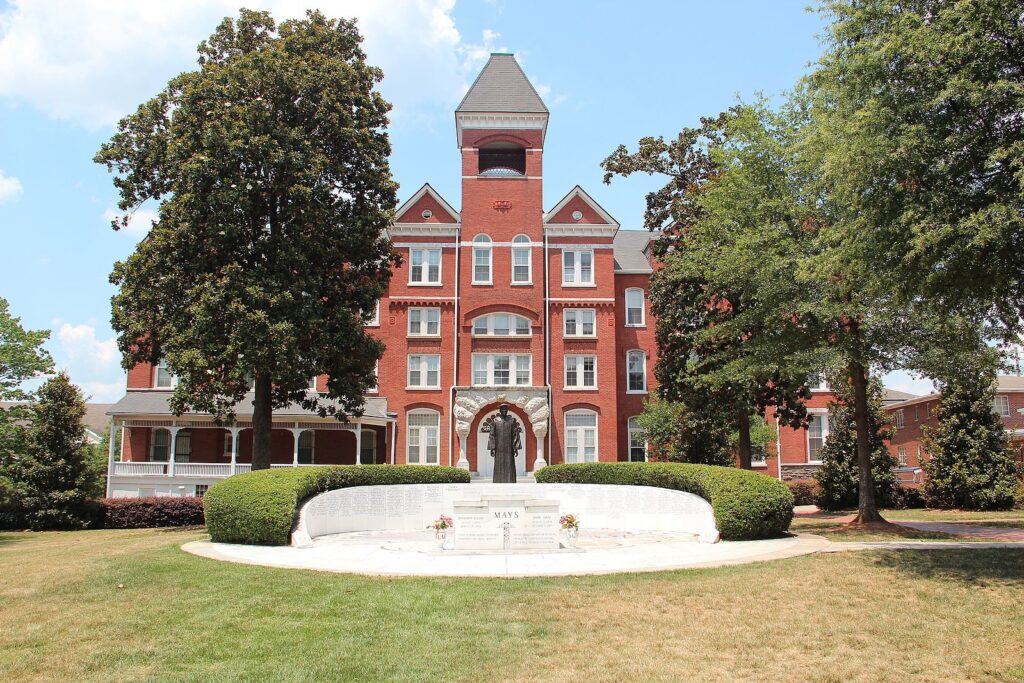
By: Sydnee Walcott Films provide an escape from reality among its viewers. Films exemplify life issues and include topics that everyone can relate to whether that is relationships, family, work, trauma, and health. Spike Lee is a renowned filmmaker who uses his platform to explore thought-provoking themes throughout his films. A common plot Lee likes to explore are issues pertaining to Black people such as racism, colourism, stigmas surrounding interracial relationships, and injustices within the system. Malcolm X, Crooklynn, She’s Gotta Have It and Jungle Fever are some of the most popular Spike Lee films. School Daze is another outstanding film directed and written by Lee. Based on his experiences growing up as a student attending Morehouse College, the 1988 film touches on colourism, texturism, activism, and hazing while students navigate through their life at Mission College, a fictional-historical Black college. Featured in this film are well-known actors and actresses including: Laurence Fishbourne, Giancarlo Esposito, Tish Cambell, Samuel L. Jackson, Jasmine Guy and Lee. 35 years later, and the themes the film navigates are still relevant over social media. Outlined are some of the most prevalent issues School Daze touches on: Colourism/Texturism Often referred to as the ‘sister of racism,’ colourism is an issue since slavery and continues to be a challenge within the Black community. The majority of those who are impacted by colourism are dark-skinned Black women who often face ridicule. In comparison, women of a lighter complexion and/or racially ambiguous are often praised for their skin tone. Texturism is also another prevalent issue within the Black community. While loose curly hair types and straight hair are deemed to be “acceptable,” kinkier hair types are often ridiculed and deemed as “bad hair.” The Gamma Rays, known as a sorority tied to the Gamma Phi, and non-Gamma women argued with one another based on colourist and texturist reasons. While the majority of the Gamma Ray sorority consisted of light-skinned women with straight or loose curly hair, the non-Gamma women consisted of predominantly dark-skinned women who wore their natural hair. During an altercation in the hallway, the two sides exchange insults towards each others’ complexion and hair texture. The arguing continues in a musical number where derogatory terms such as “good hair,” “nappy hair,” “wannabe,” and “jigaboo” were used. The film showcases the negative implications associated with colourism and texturism, and how both these issues continue to overlap and pit Black people against one another. Activism Activism is a form of collective action that aims to resist social injustices targeted towards racialized communities that experience racism, sexual harassment, and arbitrary violence. Movements such as the Civil Rights Movement and Feminism Movement are examples of movements that have a shared interest to fight against oppression. Dap, the film’s protagonist, is a Morehouse student and young activist who wants to fight for equal treatment on behalf of everyone within the Black diaspora. The character is introduced when his boycott of apartheid in South Africa is interrupted. His main goal is to mobilize students and faculty to participate in a movement against the Apartheid. Although most students are reluctant to participate due to being expelled, Dap manages to mobilize support and stand up for their freedom. Just like every collective action movement, there are struggles and challenges that occur along the way. However, once people recognize the end-goal, it can help others realize what cause people are fighting for. Hazing Sororities and fraternities are supposed to bring people together and provide a sense of belonging for students as they navigate their journey through post-secondary school. Joining a sorority or a fraternity can sometimes come with downsides. Some pledges are forced to go through hazing rituals that can be humiliating or dangerous. There have been many hazing incidents that have led to serious injuries or death. Half-Pint, who is illustrated as Dap’s cousin, wants to join the Gamma Phi Gamma fraternity. He objects to his cousin’s views who believes those who join one are sellouts. Half-Pint and the other pledges are forced to fish out rotting bananas from a toilet with their hands, to imitate dogs. Half-Pint was also challenged to sleep with the leader’s girlfriend. Fraternities and sororities can have many positive outcomes. However, joining one should not put one’s health, reputation, or life at risk. The movie may have aired 35 years ago, but the issues the film addresses are still relevant in today’s society. People continue to be exploited for making colourist and/or texturist comments. Injustices are still rampant and pledges at post-secondary schools are still being subjected to hazing rituals. However, the film’s message is still powerful and shows viewers that there is hope to break free from conforming to damaging school traditions.
Five Books for Black Boys
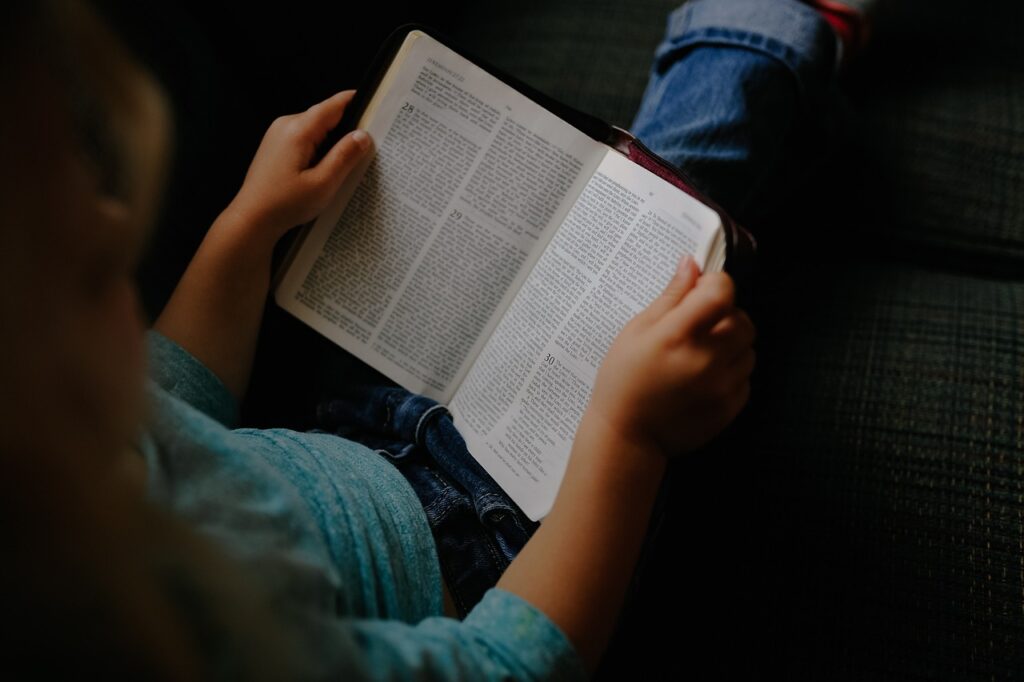
By: Priscilla Wiredu When it comes to literature, it is important to provide Black boys with a space to express their perspectives. Providing Black boys with an equal voice will allow publishing companies to recognize that these unique stories can offer meaningful insight on different topics and positively influence acceptance within society. A thought provoking question readers should challenge is whether Black boys have ever felt “safe” in American society. This question is daunting because when we reflect on literature many Black boys are underrepresented. Examples can include Emmett Till, the Central Park Five, Trayvon Martin, and Ralph Yarl. Black boys are deemed as the ‘criminal body’ of Western tradition and culture, yet constantly face traumatic experiences. North America has to recognize that Black boys are equal humans with rights that must be accounted for. The lives of Black boys, their talents, their vulnerable experiences, and their feelings are worth being heard. Black boys deserve recognition and should be offered avenues to success in order to grow as an avid thinker and speaker. Sharing the stories offered by Black boys provides a connection to like-minded individuals that experience similar situations, which can lead to modes of solidarity, enhanced collective action, and acceptance within society. Outlined below are five books for Black boys that offer insightful life lessons. Bud, not Buddy (1999) – Christopher Paul Curtis A classic in Black literature, Bud, not Buddy illustrates the story of Bud Caldwell, a 10-year old boy living in 1930’s Michigan. Bud is depicted as an orphan of four years who develops resentment towards his atrocious foster homes and seeks out to find his biological father. With foreshadowing and clues, Bud concludes that the infamous Herman E. Calloway is his biological father. He makes efforts to find him in hopes to join his band. Instead, Bud finds a home, and closure for his mother’s death. A classic tale of perseverance and strength at a young age,Bud, not Buddy, is an optimal story for Black boys to learn about history, family, and passion. Jabari Jumps (2017) – Gaia Cornwall An entertaining children’s story about bravery, Jabari Jumps has readers rooting for the protagonist, Jabari, a young Black boy, who is determined to jump off the diving board at his community pool after completing his swimming lessons and passing the swim test. His determination to perfect his jump into the water teaches others that hard work pays off. It also inspires readers to not give up on their goals because their accolades will be recognized. Jabari Jumps is a tale that illustrates key lessons surrounding overcoming fears, forming a strong bond between father and son, and to believe in yourself. Little Legends: Exceptional Men in Black History (2019) – Vashti Harrison Little Legends: Exceptional Men in Black History is an anthology that delves deep into Black men and their historical accolades. Along with the written biographies, readers will learn about artists, aviators, politicians, athletes and activists. The book features famous Black men such as James Baldwin, Aaron Douglas, Bass Reeves, John Lewis, and Prince. This book illuminates strength and includes beautiful pictures that incorporate colour stories that exhibit Black heritage and culture. These stories create hope for many Black generations ahead when achieving success in all facets of life. Ghost Boys (2019) – Jewell Parker Rhodes Ghost Boys is a heartbreaking novel that tells the story of a 12-year old Black boy named Jerome. He was fatally shot by the police after his toy gun was mistaken for a real weapon. His character is now illustrated as a ghost, and Jerome is confronted with the aftermath of his death, and the negative repercussions of his actions in witnessing his family and community deal with the loss from the backlash received by the police. Later on, Jerome meets another ghost named Emmett Till, a boy who died from a similar situation, but in a different time frame. Emmett befriends Jerome and helps him process the situation. He also provides Jerome with guidance to confront issues of racial injustice in the criminal justice system to help him understand why Jerome was wrongfully shot. Ghost Boys provides readers with a clever plot that highlights both historical and socio-political views. It depicts the complexities of race and racism in modern society, and the injustice aimed at Black boys. This book and the author’s thoughts were once banned; however, the book’s message remains an integral part of the unfair world we live in that can be related to the recent news of George Floyd. Ron’s Big Mission (2009) – Rose Blue Ron’s Big Mission illustrates a true story about peaceful resistance against discrimination. In the story, Ron McNair, who at the time was nine years old, was fond of his local library for keeping books that offered unique topics on airplanes and flights. However, when he asked to check out a book he was unable to due to the segregation laws enacted in South Carolina during the 1950’s. Ron’s fight to obtain a library card is not only a right of passage but his first challenge at achieving acceptance. Inspiring and touching, this book illustrates how one Black boy’s oppression enabled him to become a future scientist and astronaut given the barriers to access an education through books. Books hold an immense amount of knowledge that can transform someone’s life. The story about Ron can provide a sense of direction for the Black community. It encourages Black people to use the resources that are readily available to them following segregation. These stories provide Black boys with an in-depth understanding of how they achieved success despite suffering from restrictive laws. With diverse books available at one’s fingertips catering to Black boys, it becomes a literary awakening for society to normalize and accept inclusion in both academic institutions and libraries.
Race and the labour market
By: Yanet Mengisite
Blood Money: The Profiting of Black Pain movies
By: Priscilla Wiredu
5 Children’s Books on Black Empowerment
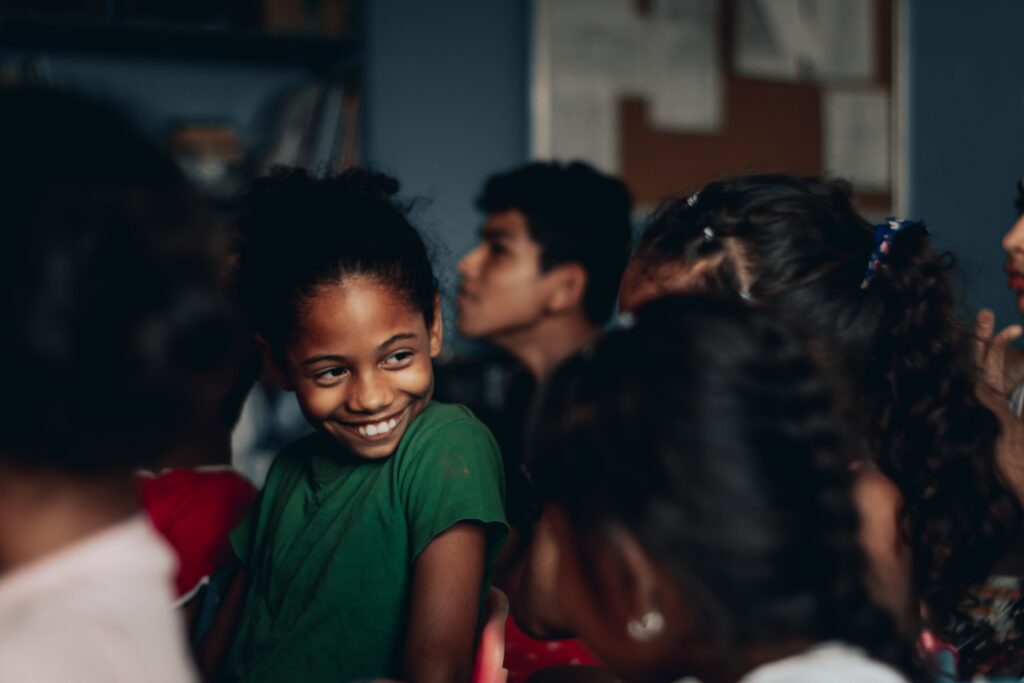
By: Priscilla Wiredu
Black people in tech: Where are they?

By: Yanet Mengistie
Who is Don Hogan Charles?
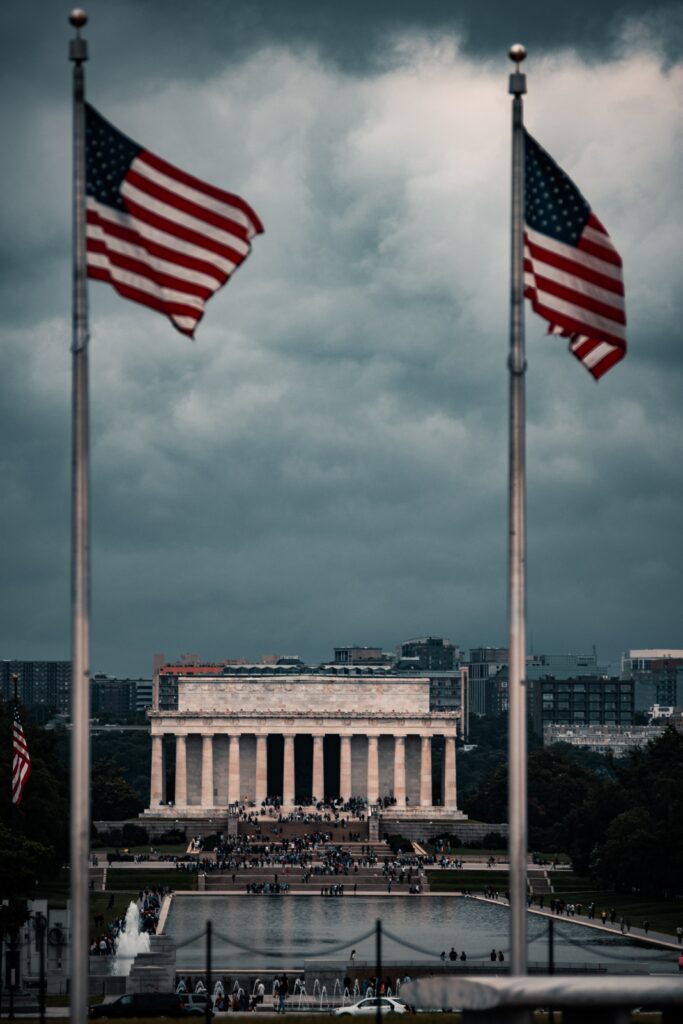
By: Lavanya Kathirgamanathan