
BlackOwnedTO: The Black eBay for Toronto Black businesses
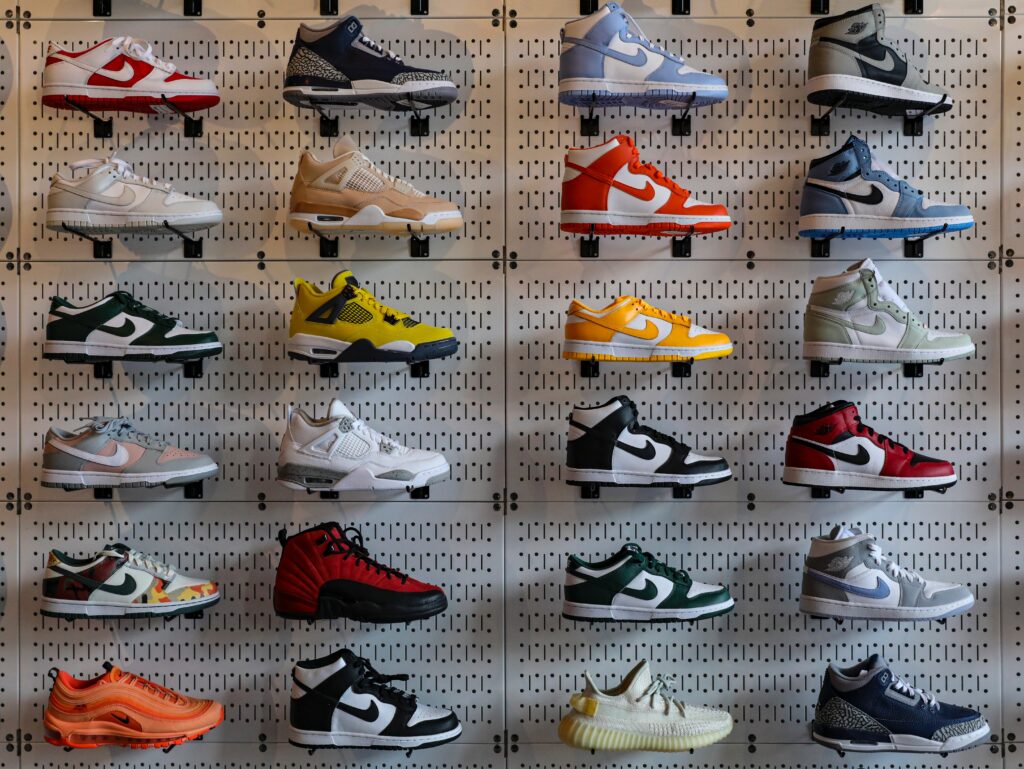
By: Priscilla Wiredu In today’s savvy business world, Black businesses have unique, safe-space networking that can ensure inclusivity and the chance for local businesses to grow. BlackOwnedTO is an example of a successful platform that showcases Black businesses. BlackOwnedTO is a start-up shop in Scarborough Town Centre selling products from local Black entrepreneurs. Founded by Kerin John in 2020, it started as a directory on Instagram for Black businesses. BlackOwnedTO would soon evolve into a successful website and directory for Black sellers and vendors. In addition, BlackOwnedTO offers an online platform devoted to highlighting Black businesses across the GTA. Created to help tackle the difficulty of finding local Black businesses within the city, it is an economically-rewarding system that helps give back to local communities. How it Works The front page of BlackOwnedTO’s website includes four categories: Skincare, Candles, Haircare, and Kids. Depending on which category you click on, you will come across a long list of items that pique your interest or what you purchased in store. From books to greeting cards to baby supplies, there is virtually everything you could want at a reasonable pricing. They have an online form for those wishing to become a vendor within their company and offer many options to pay for the items they advertise on the website. Other Activities At the end of July, BlackOwnedTO holds an event known as Foodville Fest, a summer event celebrating African, Caribbean, and Afro-Latino foods. Equipped with Black vendors, DJs, specialty chefs, and live performances, Foodville Fest is a charitable safe space for Black people within the community that highlights the importance of Black cuisine. BlackOwnedTO has partnered with Private Cay Media to make Foodville Fest happen. Accomplishments and Reviews To this day, BlackOwnedTO’s Instagram has acquired well over 70k followers and has held pop-up shops in Square One, holiday markets, and Black History Month events. Their Scarborough location has an average rating of three point nine out of five stars on Google. They have also appeared on CBC, 6ixBuzz, and Breakfast Television about their mission and established partnerships with other businesses like CIBC, Interac, and Toronto Public Library. BlackOwnedTO is more than just a business. It ensures inclusivity and opportunities for up-and-coming Black entrepreneurs. It offers a safe space as well as a great place to start up a business and make money for one’s products and/or talents. BlackOwnedTO provides initiatives to help local Black communities start their business ventures in a variety of different ways. Contact BlackOwnedTO BlackOwnedTO is located at: STC 300 Borough Drive Scarborough, Ontario M1P 4P5 (416) 290-1313 STC@BlackOwnedTO.com They also have a contact page and form for further inquiries.
Token Black: How one Black person passes the diversity test
By: Priscilla Wiredu South Park is an American adult comedy cartoon that has aired on TV for over 25 years. America has accredited the show’s success due to its brilliant controversial take on prevalent issues, current events, and clever commentary towards people. Its characters have earned a credible reputation for themselves. Eric Cartman, an obese sociopath who is anti-semitic, racist, and scheming, and Kenny McCormick, an impoverished boy who has powers to be resurrected. In particular, a genius character that really stands out in South Park is Tolkien Black. Tolkien Black is the only African-American character on South Park, featured in many episodes which focuses on him and his affluent family. Black is an ordinary character, and a pun on a trope that many TV shows, businesses, and media outlets have been incorporating for decades in the name of diversity. He is, quite literally, the Token Black character of the show. What is ‘Token Black’? The Token Black character derives from the ideology of tokenism, which is defined as the practice of doing something, i.e. hiring a person from a minority group, to prevent criticism and to create the illusion that people are receiving fair treatment. Tokenism originated in America around the 1950s, seen as a solution to racial segregation in society. It fell flat due to it being deemed as a performative allyship over the years. Simply put, the Token Black character is the one Black character incorporated to meet racial guidelines and inclusion in TV shows. The name itself is symbolic because this Black individual who has the potential to make or break the show’s reputation is compared to a valuable token one would need for a video game. Essentially, the ‘token one’ needs to win a game of who is the least racist respective to their competitive markets. Examples of ‘Token’ Black Characters Most millenials remember growing up watching 90s cartoons that confronted serious issues and were simultaneously entertaining. These shows told unique stories in clever ways. When asked, a group of 20 year olds would all identify the same Black character they recognized from their childhood. These characters include, Suzy Carmichael from Rugrats, Vince LaSalle from Recess, and Lando Calrissian from Star Wars. Growing up as a Black child, there were a new generation of Black characters to look up to. There were renowned Black television shows that offered a positive representation of Black families without harmful stereotypes, such as The Cosby Show, Fresh Prince of Bel-Air, and Good Times. The Token Black character is a sense of hope for Black individuals who have suffered with visualizating white characters being the default, more favourable casting, and Black characters being the foreign and the unwanted. Black viewers who get to see a glimpse of their own race in TV shows should set a precedent for accepting different races, instead of viewing inclusion as a supposed ‘solution’ to racism. However, there are drawbacks to the idea of tokenism. The trial of OJ Simpson was about racism and police brutality. Simpson’s acquittal was simply a tool to show white American citizens that, with financial aid and the right juror and lawyers, Black people can allow white people to see injustice from different racial perspectives. What was once a bittersweet victory back in 1995 has now become a tool among racist people to use against racist court cases or cases dealing with police brutality. Nowadays, people wrongfully reference the OJ Simpson trial to explain that Black people have similar opportunities compared to their white counterparts, to avoid facing penalties for racially-motivated crimes. People fail to realize that Simpson is a famed and retired football player and sportscaster with financial means to propagate the narrative of racism and police brutality against Black people in America. The fact that the Rodney King riots happened beforehand also contributes to their favour. When asked to create a chart of all the known Black people who got away with murdering white people and all the white people who got away with murdering Black people, there is a disturbing contrast between the two, which explains tokenism. ‘I have Black Friends; how can I be racist?’ The problem with Tokenism As mentioned above, introducing tokenism to society can have large-scale setbacks and issues. Tokenism is the lowest bar of acceptance for diversity and falls short of a lazy attempt at “solving” discrimination in the public eye. When assessed from a psychological standpoint, psychologist Vaclav Linkov claims that tokenism can be a double-edged sword. On the bright side, portraying a character from a distinct group can show viewers their expertise in their culture and skills, and can offer different perspectives towards solving an issue. However, tokenism can also be a hindrance due to the ostracism of the selected individual. It can present false information that is inaccurate. Many white people use whataboutism when confronted with the latest news of racism. People claim that since one Black person has defeated all the odds, that racism no longer exists. In 2008, many people ridiculed President Barack Obama for becoming the president of the United States, claiming that he ‘reignited’ racism in America. What did he do exactly? Have the audacity to have Black skin. Other people claim that the introduction of Black fictional characters such as Black Panther and Tiana from The Princess and The Frog have provoked more harm than good, because it brings the issue of lack of representation to light, creating barriers between race and the media. When the movie The Little Mermaid released, many people questioned why a white character was being ‘blackwashed.’ Many encouraged white people to play Black historical figures such as Martin Luther King and Jr. Harriet Tubman in upcoming movies. The problem lies within this suggestion, why whitewash Harriet Tubman? Why not make any Black fictional characters white? Because there are not enough well known Black characters to whitewash. Tokenism is problematic for both white people and Black people. People become ignorant on the matter of racism when supporting the Token
Eight Beautiful Places in Africa
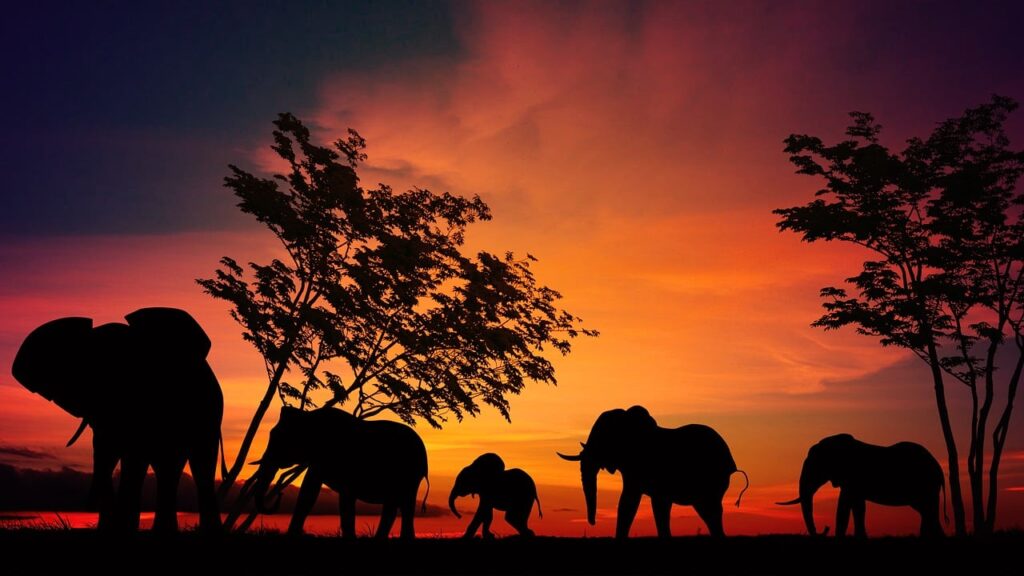
By: Priscilla Wiredu Africa is the second-largest continent in the world, and recognized for being the most culturally enriched and diverse. The continent houses over 50 countries, a collection of distinctive heritages, and a world filled with beauty. Africa is a beautiful place with different landscapes, ranging from vast deserts, to tropical rainforests, and their diverse flora and fauna. The scenic beauty Africa has to offer would leave anyone stunned. It is important to acknowledge the beauty of Africa and not the negative stereotypes that have been placed upon the continent. Africa is not a war-torn barren, disease ridden wasteland, but an entire new world filled with interesting and exciting historical monuments, places, and traditions. Outlined are eight of the most beautiful places in Africa. Lake Naivasha, Kenya Located in Nakuru County, Lake Naivasha is a large, beautiful freshwater lake that sits just outside of Naivasha. The name derives from the Maasai word for “rough water” because of the stormy weather in the area. The 1,844 m elevation makes the lake the highest one in the Great Rift Valley. Beyond its swampland, forests surround the lake making a refreshing day trip, as it is easily accessible from Nairobi. Victoria Falls, Zimbabwe The Victoria Falls of Zimbabwe is a breathtaking beautiful waterfall that overlooks the Zambezi River. The waterfall has a natural border between Zambia and Zimbabwe. It was once named the ‘Mosi-oa-Tunya’ translated as “The Smoke that Thunders” by the Kololo tribe. The name is derived from the intense spray and thundering noise of the rushing water streaming over the falls. The basalt cliff that curtains the falls turns from a placid river into a tremendous torrent that slashes through a collection of gorges. Another alluring facet of Victoria Falls is the Devil’s Pool. This is known as a place within the falls where people swim and do not have to worry about getting swept over at the edge. A daring, adventurous, and beautiful landmark Victoria Falls encompasses. Avenue of the Baobabs, Madagascar The Avenue of the Baobabs is an ecological historical landmark that links the road between Morondava and Belo Tsiribihina. The rare and ancient baobab trees present an alluring and unique site, marking it as the country’s first official national monument. These trees are giant, dry season deciduous trees aging over 800 years with trunks as wide as 150 feet. But due to modern civilization and massive deforestation, only a handful of baobabs still remain in isolation. Fortunately, the Avenue of the Baobabs receive protection by private organizations to recognize its national natural monument in hopes the trees survive. Baobabs are useful plants. Their trunks are tapped for water during dry season and their leaves are used in salads. Their hard shelled fruits have a tamarind-tasting brown pulp that can turn into a delicious refreshing summer beverage all over Africa and a couscous dessert, called Ngalakh. Volcanoes National Park, Rwanda The Volcanoes National Park is a conservation center for Rwandan mountain gorillas, sheltering the highest number of gorillas in the Virunga Conservation area. The park also houses a variety of golden monkeys, birds, reptiles, amphibians and insects, creating a genuinely safe safari. It originally started as a small area, protecting gorillas from poachers and extinction. However in 1967, Dian Fossey, an American primatologist who did research on gorillas in the Congo, launched the conservation campaign and helped mobilize resources to fight against poaching up until her murder in 1985. The park suffered during the Rwandan Civil War in the 90s. Luckily, in 2005, Rwanda saved the park once again by introducing an annual baby naming ceremony for baby gorillas, the tradition known as “Kwita Iziina’ which not only helped attract tourism but positively influenced an increase in the gorilla population. Fontainhas, Cape Verde Located North of Santo Antao, Fontainhas is what one would call a fairytale village. It is said to have one of the most beautiful views in the world. The village consists of brightly colored houses sprinkled on the edge of a hundred meters-deep cliff. The foot trail gives visitors the opportunity to see luscious green mountains and a beautiful sea view. Further below, there is a small beach for travelers to enjoy, but there is a small trek to get to the beach below. Visitors can also walk across the mountain and see the village of Corvo. Fontainhas is a beautiful landscape with mesmerizing views. Ngorongoro Crater, Tanzania The Ngorongoro Crater is a world famous safari destination where tourists can view a multitude of mammals and environments such as wetlands, forests and grasslands. Located in a protected region in Tanzania, it includes a range of ancient volcanoes on the west side of the Great Rift Valley. With its unique picturesque scenery, it has earned the reputation of one of Africa’s natural wonders. The Crater is estimated to be over three million years old, when an active volcano’s cone collapses inward post-eruption. The giant Crater is the sole remnant of said implosion. It is the largest intact volcanic caldera on Earth, and a natural sanctuary for densely populated animals such as spotted hyenas, cheetahs, leopards, jackals and bat-eared foxes. Due to its concentrated nature, it has its own distinct ecosystem. The word Ngorongoro is an onomatopoeic term by the Maasai people of the region. It resembles the sound of a cow bell, making a ngor ngor sound. Tofo, Mozambique A small, unassuming village in the Inhambane Province of Mozambique, Tofo is a traveler’s paradise in East Africa. The origin of Tofo dates back to the pre-colonial era, where the original inhabitants were the Bitenga tribe, where the people were skilled fisherman and traders. When the Portuguese explorers came to Tofo in the 16th century, they established a trading post in the nearby Inhambane province. With its beautiful beach responsive vibe and exciting nightlife, Tofo has many fun activities to offer. People can explore their beautiful waters, from scuba diving, to swimming or surfing, seeing exotic animals such as manta rays and whale sharks. They can
The Eve Gene
By: Priscilla Wiredu In 2020, an African news article stated that Lupita Nyong’o, a Kenyan actress, starred in the 2012 PBS television special Finding Your Roots. This documentary is about testing participants and their ancestral lineage and DNA for cultural reasons. An episode on November 17 revealed the test results of Nyong’o and proved that she carried DNA from the oldest maternal haplogroup, the Mitochondrial Eve. This revelation was groundbreaking. It proved what scientists were investigating for decades when it came to tracing back humankind as far into the past as it could go. Nyong’o’s DNA came from a close direct descendant, a woman found in Africa. This is the discovery of the Eve gene. What is the Eve Gene? The Eve gene, simply put, is a gene that was responsible for the evolution of humankind. The Mitochondrial Eve, known as The Mother of Humanity, is a female biological ancestor of all humans. For a deeper explanation, there are two different kinds of DNA in human cells. One is nuclear and the other is mitochondrial. Nuclear DNA is DNA that is inherited from both parents, in which its protein codes trigger certain functions that make up a person’s genetic composition. Mitochondrial DNA is inherited from the mother. Mitochondria produces energy for the cell in order for it to function. Mitochondrial DNA descends from every female and her mother, eventually tracing it back to the single source. This is what the Eve gene is, the final origin of the human DNA’s first extrapolation. The Eve Gene Origins In 1987, Biologist Allan Wilson was the first to coin the term Eve gene in a science journal. Wilson theorized that she lived in East Africa two million years ago. This Stone Age era involved humans living in small groups, hunting for food, fending off predators, and acquiring all equal needs and resources, through tactics for survival. For the past 120,000 years humans have made a substantial evolutionary change. It is conceptualized that the Mitochondrial Eve had enough daughters to carry on her mitochondrial DNA to continue evolution. 120,000 years ago, humans had more opportunities to adapt to different locations once they began migrating outside of Africa. Common ancestors who had fled Africa had the ability to reproduce more rapidly across the world. Given the history of the Mitochondrial Eve, it continues to prove that Africa is the most genetically diverse continent in the world. Africa houses various ethnicities, traditions, and cultures compared to other continents, creating unique subsets of diversity. Discrepancies The theory of the Eve gene has undergone debates throughout the years, with some facets of the concept being debunked or clarified in terms of what the Eve gene is or how it works. For instance, the Mitochondrial Eve is the common matrilineal ancestor and not one of the most recent common ancestors of humans. The Eve gene is only present through female lineages, so she lived much longer ago than our most recent common ancestor. For instance, if she lived around 140,000 years ago, the common ancestor may have lived as recently as 3000 years ago. The Eve gene was named after the Biblical Eve of the Genesis creation, which caused some confusion amongst people. The Mitochondrial Eve, contrary to popular belief, was not the only human female during her time. Her DNA was the most prominent, but if she were the only female alive, the human race would not have evolved as much as it did. Many other females during Eve’s era have had descendants whose lineage is still ongoing today. What makes Eve different is that her line was purely matrilineal, while the others have had at least one male in every generation. The Authors Thoughts The Eve gene was a fascinating and confusing topic to research. Whether something like this is possible is something I have thought about, but in the end, it does make logical sense. It is a fact that all life began in Africa, so of course, if there was any common ancestor, no matter how far back, it would be someone from Africa. What I find troublesome is the mystification of the Eve gene; how people hold Mitochondrial Eve to the status of a goddess and as a pinnacle of Black women empowerment. They claim that the African Eve’s DNA mutation helped shape humans to what they are today. To me, it seems to reinforce the malleability of the Black uterus. The Eve gene would make sense if one were to look at history. During slavery, enslaved Black females were being forced to conceive as many babies as they could handle, and underwent unethical gynecological practices for research. Of course, the case of Henrietta Lacks also shows how our DNA is seen as tools for advancement in health, science, economy, and many other societal benefits for White people. While the DNA of Black women is very diverse and plentiful, the research behind it has caused us objectification, pain, and fetishization. It reveals that the discovery of the Eve gene may have propagated the use of their reproduction instead of seeing us as the creators of humans.
The Life and Legacy of Harry Belafonte

By: Priscilla Wiredu On May 2, 2023, Olympic Medalist Frentorish “Tori” Bowie died after experiencing complications from childbirth. Bowie was eight months pregnant at the time of death with a well-developed fetus when she was going into labor. Reports claim that Bowie may have been having respiratory distress as well as eclampsia; a condition where someone develops seizures following a sudden spike in high blood pressure. As tragic as Bowie’s preventable death was, her death is a wake-up call for many about an alarming trend occurring in America; the mortality rates of Black women in maternity and reproductive rights. Pregnancy-Related Deaths The issue of Black maternity falls on many facets when it comes to reproductive health. Black women have the highest maternal death rate in America than any other ethnic group. A 2021 study revealed that the rate was 69 percent per 100,000 births, making it three times higher than the rate for White women. The most obvious answer to such a jarring trend is simple: racism and discrimination. Maternal emergencies are a common issue amongst Black women. Celebrity status or not, both Serena Williams and Beyonce are two famous Black celebrities that have borne children of their own and faced life-threatening complications with their pregnancies. This issue has been stated as a public health emergency and an impediment to human rights since most of these deaths could have been prevented. In the final stages of a pregnancy being monitored, Black women often experience being undervalued. If they state any unusual symptoms, they are dismissed for their feelings and are told their conditions are not severe. Racial biases can impact the credibility of quality healthcare as complications can impact the level of care patients receive. These problems can stem from direct care or communication issues, where medical history fails to get passed along on behalf of the patient. There are socio economic ties to it as well. Black women fail to follow a healthy diet during pregnancy due to the lack of access to nutritional food. Other issues like poverty, unemployment, and a lack of a proper education about childbirth also contribute to the issue with Black maternal death. Access to Abortion It is not only childbirth that Black women have to deal with; but also abortion access. After the overturning of Roe v. Wade (1973), the concerns for Black women and bodily autonomy became more trivialized. Without equal access to abortion, it is estimated that Black women will have a 30 percent increase in mortality rate from pregnancy and/or childbirth. Also, an increase in the risk of health complications, teen pregnancy, and financial burdens. Black women lack proper access to prenatal care. It is especially limited for Black women who live in low-income areas. Black women in the U.S. are more likely to become obese, which leads to the risk of gestational diabetes, hypertension, and other pregnancy complications. If aftercare is not received, obesity will gradually rise among Black women. On April 25, 2023, legendary calypso singer and activist Harry Belafonte passed away at 96, according to his spokesperson. As a famed singer, Belafonte was noted for his popular song “Day-O” (or “The Banana Boat Song”). The song offers a unique musical experience, with catchy phrases that touch upon problematic issues of the working class during colonization. Belafonte continuously made a tremendous impact on the world not only through his music but his impact on advocating for equality. Belafonte is an icon in the Black community who was well known for his initiatives in fighting against racism, poverty, apartheid, and many other injustices in society. Belafonte was clever in meshing upbeat rhythms with dystopian issues to instil messages in his audiences of the harsh realities Black people faced during slavery. The Black Voice Team commemorates Harry Belafonte. Early Life Harry Belafonte was born as Harold George Bellafanti Jr. on March 1, 1927, in Harlem, New York City. Belafonte was of mixed descent born to West Indian/Jamaican parents, and was raised Catholic. Belafonte lived with one of his grandmothers in Jamaica for eight years, and upon returning to New York City, he dropped out of high school to enlist in the U.S. Navy and served in the Second World War. In the 1940s, he worked as a janitor’s assistant where he was gifted with two tickets to the American Negro Theatre. Befriending the late famed actor Sidney Poitier, Belafonte fell in love with the art form. He and Poitier spent their free time attending local plays, trading places between acts, and informing each other about how the play is going. By the end of the 40s, Belafonte enrolled in acting classes at the Dramatic Workshop of the New School in NYC, alongside Bea Arthur, Poitier, Marlon Brando, and Tony Curtis. He learned viable skills from these reputable actresses and actors in the performing arts scene. He would occasionally perform acts at the American Negro Theatre. He won his first Tony Award in the Broadway play John Murray Anderson’s Almanac in 1954. Rise to Fame In 1950, Belafonte became a folk singer through intensive researching and practicing songs from the Library of Congress’s American folk song archives. He gained tremendous fame when he started to sing Caribbean folk songs in nightclubs and theatres, attracting lively audiences. With his noted songs “Day-O” and “Jamaica Farewell,” he created the fad of calypso music and was named the “King of Calypso.” In the mid-1950s, Belafonte received his first hit when he released his folk song album, Harry Belafonte, Mark Twain, and Other Folk Favorites. It was also during this time he made his Broadway debut in Almanac and later on he starred in a stage play, 3 for Tonight and Belafonte at the Palace. Belafonte starred in several films and musicals throughout the 50s, before pursuing other hobbies and interests. In the 60s, he became the first African American television producer, credited with several productions. During his recording career, Belafonte’s notable albums included Swing Dat Hammer (1960) where he was awarded a Grammy
Black Maternity

By: Priscilla Wiredu On May 2, 2023, Olympic Medalist Frentorish “Tori” Bowie died after experiencing complications from childbirth. Bowie was eight months pregnant at the time of death with a well-developed fetus when she was going into labor. Reports claim that Bowie may have been having respiratory distress as well as eclampsia; a condition where someone develops seizures following a sudden spike in high blood pressure. As tragic as Bowie’s preventable death was, her death is a wake-up call for many about an alarming trend occurring in America; the mortality rates of Black women in maternity and reproductive rights. Pregnancy-Related Deaths The issue of Black maternity falls on many facets when it comes to reproductive health. Black women have the highest maternal death rate in America than any other ethnic group. A 2021 study revealed that the rate was 69 percent per 100,000 births, making it three times higher than the rate for White women. The most obvious answer to such a jarring trend is simple: racism and discrimination. Maternal emergencies are a common issue amongst Black women. Celebrity status or not, both Serena Williams and Beyonce are two famous Black celebrities that have borne children of their own and faced life-threatening complications with their pregnancies. This issue has been stated as a public health emergency and an impediment to human rights since most of these deaths could have been prevented. In the final stages of a pregnancy being monitored, Black women often experience being undervalued. If they state any unusual symptoms, they are dismissed for their feelings and are told their conditions are not severe. Racial biases can impact the credibility of quality healthcare as complications can impact the level of care patients receive. These problems can stem from direct care or communication issues, where medical history fails to get passed along on behalf of the patient. There are socio economic ties to it as well. Black women fail to follow a healthy diet during pregnancy due to the lack of access to nutritional food. Other issues like poverty, unemployment, and a lack of a proper education about childbirth also contribute to the issue with Black maternal death. Access to Abortion It is not only childbirth that Black women have to deal with; but also abortion access. After the overturning of Roe v. Wade (1973), the concerns for Black women and bodily autonomy became more trivialized. Without equal access to abortion, it is estimated that Black women will have a 30 percent increase in mortality rate from pregnancy and/or childbirth. Also, an increase in the risk of health complications, teen pregnancy, and financial burdens. Black women lack proper access to prenatal care. It is especially limited for Black women who live in low-income areas. Black women in the U.S. are more likely to become obese, which leads to the risk of gestational diabetes, hypertension, and other pregnancy complications. If aftercare is not received, obesity will gradually rise among Black women. Maternal Trauma Simply surviving childbirth is not enough for Black women to access the right to maternal and prenatal care. Black women are twice as likely to suffer severe pregnancy and childbirth complications, with personal stories from Black mothers on being disrespected and brushed off during labor. Black women face many triggers that can lead to a traumatic birth, and other issues like post-traumatic stress disorder and postpartum depression. The stressors range from feeling powerless when in labor or with severe birth-related injuries or physical complications. Severe maternal morbidity is when life-threatening complications arise for the mother during or after childbirth and require life-saving procedures. Racial bias has now been seen as the top reason why Black mothers and their babies face worse situations during birth as opposed to beliefs of poverty and lack of proper care. Highly educated Black moms are more likely to suffer in childbirth than White mothers with no high school diploma. Black celebrities sharing their maternal trauma also nuanced those myths. According to the National Heart, Lung, and Blood Institute, due to high chronic stress, race-based trauma, and fear, the majority of Black women will produce about 15 percent more cortisol, known as a stress hormone, which in turn raises the risk of pregnancy complications. Resources Doctors and researchers have finally taken the role of racism seriously when handling pregnant Black women in prenatal care. Hospitals have also added more training in dealing with discrimination and educating themselves of unconscious bias and microaggressions. In essence, Black women are in solidarity to hold unsafe practices accountable for Black pregnant women. Black Mamas Matter is one of the most prominent pro-Black safe space organizations for expectant mothers. One of Black Mamas Matter’s top missions is policy change. It aims to introduce and advance policy grounded in the human rights framework. This will combat Black maternal health inequity and improve health outcomes. Black Mamas Matter enacts initiatives aimed at cultivating research, advancing care, shifting cultural attitudes, and offering summits for members and those who want to gain more information. Organizations like Black Mamas Matter fight to end the discrimination and morbidity of Black childbirth and motherhood both domestically and internationally.
Five Books for Black Boys
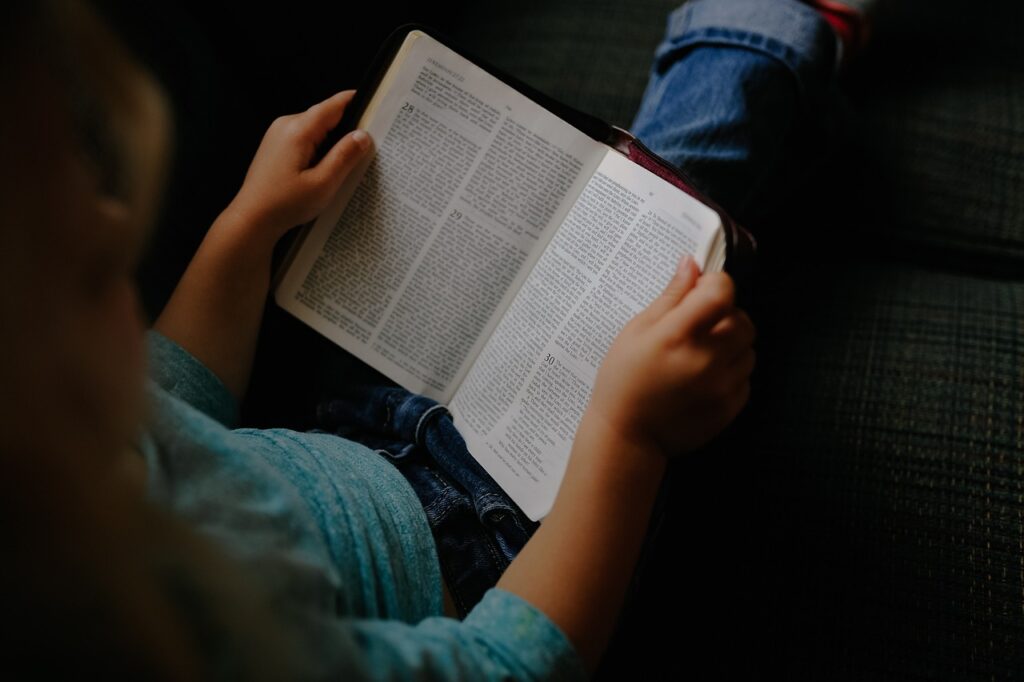
By: Priscilla Wiredu When it comes to literature, it is important to provide Black boys with a space to express their perspectives. Providing Black boys with an equal voice will allow publishing companies to recognize that these unique stories can offer meaningful insight on different topics and positively influence acceptance within society. A thought provoking question readers should challenge is whether Black boys have ever felt “safe” in American society. This question is daunting because when we reflect on literature many Black boys are underrepresented. Examples can include Emmett Till, the Central Park Five, Trayvon Martin, and Ralph Yarl. Black boys are deemed as the ‘criminal body’ of Western tradition and culture, yet constantly face traumatic experiences. North America has to recognize that Black boys are equal humans with rights that must be accounted for. The lives of Black boys, their talents, their vulnerable experiences, and their feelings are worth being heard. Black boys deserve recognition and should be offered avenues to success in order to grow as an avid thinker and speaker. Sharing the stories offered by Black boys provides a connection to like-minded individuals that experience similar situations, which can lead to modes of solidarity, enhanced collective action, and acceptance within society. Outlined below are five books for Black boys that offer insightful life lessons. Bud, not Buddy (1999) – Christopher Paul Curtis A classic in Black literature, Bud, not Buddy illustrates the story of Bud Caldwell, a 10-year old boy living in 1930’s Michigan. Bud is depicted as an orphan of four years who develops resentment towards his atrocious foster homes and seeks out to find his biological father. With foreshadowing and clues, Bud concludes that the infamous Herman E. Calloway is his biological father. He makes efforts to find him in hopes to join his band. Instead, Bud finds a home, and closure for his mother’s death. A classic tale of perseverance and strength at a young age,Bud, not Buddy, is an optimal story for Black boys to learn about history, family, and passion. Jabari Jumps (2017) – Gaia Cornwall An entertaining children’s story about bravery, Jabari Jumps has readers rooting for the protagonist, Jabari, a young Black boy, who is determined to jump off the diving board at his community pool after completing his swimming lessons and passing the swim test. His determination to perfect his jump into the water teaches others that hard work pays off. It also inspires readers to not give up on their goals because their accolades will be recognized. Jabari Jumps is a tale that illustrates key lessons surrounding overcoming fears, forming a strong bond between father and son, and to believe in yourself. Little Legends: Exceptional Men in Black History (2019) – Vashti Harrison Little Legends: Exceptional Men in Black History is an anthology that delves deep into Black men and their historical accolades. Along with the written biographies, readers will learn about artists, aviators, politicians, athletes and activists. The book features famous Black men such as James Baldwin, Aaron Douglas, Bass Reeves, John Lewis, and Prince. This book illuminates strength and includes beautiful pictures that incorporate colour stories that exhibit Black heritage and culture. These stories create hope for many Black generations ahead when achieving success in all facets of life. Ghost Boys (2019) – Jewell Parker Rhodes Ghost Boys is a heartbreaking novel that tells the story of a 12-year old Black boy named Jerome. He was fatally shot by the police after his toy gun was mistaken for a real weapon. His character is now illustrated as a ghost, and Jerome is confronted with the aftermath of his death, and the negative repercussions of his actions in witnessing his family and community deal with the loss from the backlash received by the police. Later on, Jerome meets another ghost named Emmett Till, a boy who died from a similar situation, but in a different time frame. Emmett befriends Jerome and helps him process the situation. He also provides Jerome with guidance to confront issues of racial injustice in the criminal justice system to help him understand why Jerome was wrongfully shot. Ghost Boys provides readers with a clever plot that highlights both historical and socio-political views. It depicts the complexities of race and racism in modern society, and the injustice aimed at Black boys. This book and the author’s thoughts were once banned; however, the book’s message remains an integral part of the unfair world we live in that can be related to the recent news of George Floyd. Ron’s Big Mission (2009) – Rose Blue Ron’s Big Mission illustrates a true story about peaceful resistance against discrimination. In the story, Ron McNair, who at the time was nine years old, was fond of his local library for keeping books that offered unique topics on airplanes and flights. However, when he asked to check out a book he was unable to due to the segregation laws enacted in South Carolina during the 1950’s. Ron’s fight to obtain a library card is not only a right of passage but his first challenge at achieving acceptance. Inspiring and touching, this book illustrates how one Black boy’s oppression enabled him to become a future scientist and astronaut given the barriers to access an education through books. Books hold an immense amount of knowledge that can transform someone’s life. The story about Ron can provide a sense of direction for the Black community. It encourages Black people to use the resources that are readily available to them following segregation. These stories provide Black boys with an in-depth understanding of how they achieved success despite suffering from restrictive laws. With diverse books available at one’s fingertips catering to Black boys, it becomes a literary awakening for society to normalize and accept inclusion in both academic institutions and libraries.
Tina Turner: The Black Queen of Rock ‘n’ Roll

By: Priscilla Wiredu On May 24, 2023, the world lost one of the most famous singers. Tina Turner, noted as one of the pioneers of rock n roll, was 83 years old when she died peacefully in her home in Switzerland. Not only was Turner a musical icon, her positive influence on pop culture along with her life struggles has made her an inspiration for many Black musicians everywhere. The Early Years Tina Turner, named Anna Mae Bullock at birth, was born on November 26, 1939 in Brownsville, Tennessee. Tuner was the youngest offspring in her family. Her father was an overseer at a farm. She was related to famous bluesman Eugene Bridges. While her father was completing the World War Two draft, Turner spent a majority of her time living with her paternal grandparents. The family soon after moved to Knoxville where she attended school. At the age of 11, her mother ran away to escape domestic abuse from her husband and two years later her family moved to Detroit. As a teenager, Bullock worked as a housemaid for a family. After graduating high school, she was a nurse’s assistant at Barnes, a Jewish Hospital. Her Rise to Fame Bullock had a passion and talent for singing; she sang in her local church choir as a preteen. After her high school graduation, she would turn to St. Louis, Missouri, where she would engage heavily within the rhythm and blues scene. She met her ex-husband Ike Turner after viewing his band, the Kings of Rhythm, at a nightclub in 1956. Ike invited her to be a part of the band, and coined her as Tina Turner for the event name. Her electric presence gained fame and popularity; their 1960 hit “A Fool in Love” made the top charts, transforming the music scene. Her Struggles Despite her renowned success, talent, and fame, Turner endured a traumatic life. After marrying Ike Turner in 1962, she suffered from domestic violence at the hands of Ike. She endured multiple beatings, infidelity, emotional abuse, and injuries throughout her marriage. She even suffered from third degree burns after Ike threw hot coffee in her face. By 1976, Turner left Ike at the expense of being homeless, a drug addict, and losing money from her career in music. Determined not to give up on her dreams, Turner persevered and rebranded herself to become the famed queen of rock n roll. After retiring from singing in 2009, Turner suffered tremendous heartbreak in 2018 when her son, Craig Turner, died from suicide. In 2022, she had lost a second son, Ronnie, from complications due to colon cancer. Turner herself suffered from kidney disease for many years. In 2013, she had a stroke which caused her to relearn how to walk. In 2016, Turner continued to show strength when she was confronted with a dangerous bout of cancer. Why Tina Turner is an Icon Upon the news of Turner’s death, many celebrities have shown sympathy towards her passing, noting her as one of the greatest singers to ever live. A seven-time Grammy award winner, a NAACP award recipient, and being inducted into the Hollywood Walk of Fame, it goes without saying that Tina Turner set the bar for a Black musician in Hollywood. As one of the first very few Black female rock singers, Turner created a new image for the face of rock n roll. Her personality consisted of bright outfits, outrageous wigs, and heavy makeup. She had a gritty and strong voice that was unusual for rock n roll music, but she had the ability to make it sound edgy. But quite possibly, Turner’s most memorable attribute was her resilience and triumph over her abusive husband. It was very bold of Turner to express to the public and discuss her experience dealing with domestic violence, divorce, and the aftermath of death in the family. Female celebrities that discuss domestic abuse were considered taboo at the time, and were unheard of. But Turner refused to be silenced and wanted to use her superstar platform and voice to make a difference so that others would not feel alone. She wanted to prevent her fans from suffering from abusive relationships. Having to deal with a sexist and racist society at the time, Turner managed to break free from abusive tendencies and work towards her goals as an artist. Turner’s rise to fame in relation to her age also plays an integral part of her career. Pop icons usually begin to see success in their teens or early 20’s, but Turner began to see success in her 40’s, a prime example of how age is just a number when it comes to success among women. Turner demonstrates how overcoming life challenges can lead to tremendous growth and success in your career. Tina Turner helped a generation of Black women feel included and powerful. Turner encouraged women to be authentic, to take control of their life independently, and to do what makes them happy. Tina Turner created a space for Black women in rock n roll. She made a powerful generational and national impact that inspired other famous singers. She also has impactful memoirs about her journey to educate others about her dedicated work ethic and drive. “With her death, the world loses a music legend and a role model,” said Bernard Doherty, Turner’s publicist, when the news of her death was released.
The Commercialization of Juneteenth
By: Priscilla Wiredu In May 2022, Walmart gained notoriety over the introduction of a new product launch. The Great Value Juneteenth ice cream. This limited edition ice cream included flavours of red velvet cheesecake and was created in celebration of Juneteenth. Juneteenth is an important holiday as it commemorates the liberation of Black slaves in America. The box of ice cream included a label stating: “Share and celebrate African-American culture, emancipation and enduring hope.” The product launch received many negative reviews that prompted an apology from Walmart and demanded the frozen dessert to be pulled from shelves. Indeed, it was a distasteful marketing scheme, but this is not uncommon. The Commercialization of Juneteenth and Black Culture as a Whole The Juneteenth ice cream launch is another prime example of how corporations use out-of-touch practices to not only stay relevant in modern society, but as a means to generate increased profit in order to appear “woke.” Black consumers have deeply expressed that their cultural identity and experiences are being exploited, and want this racist cycle to end. Of course, this is nothing new – from Rock n Roll to soul food, facets of Black culture have always been manipulated to gain a profit, and the effort to show support for the Black community is always low, resulting in exploitative and even insensitive practices. Corporations enact “performative allyship” to gain an acceptable reputation from the masses, yet they fail at strengthening the bond between them and their targeted demographic. The Juneteenth ice cream debacle prompted many social media users to mock Walmart and call many corporations out on their lazy attempts to capitalize off Black people and their culture. Is it Getting Worse? With Juneteenth becoming a publicly recognized holiday, some believe that this is an opportunity for businesses to not only make money from the holiday, but reinforce harmful stereotypes and fetishize symbols of Black liberation and Black pride. There have been many more incidents when it comes to businesses profiting off of Black heritage. For instance, a children’s museum issued an apology after it was revealed that their “Juneteenth-themed” menu included a watermelon salad. Similarly, an Arkansas, known as a Juneteenth soul food celebration was cancelled when a leaked poster for the event depicted non-Black hosts. The practice of “using the aesthetic without the creators” is almost a knee-jerk response to Black people who deserve respect and recognition for their talent. Juneteenth was not meant to primarily focus on the emancipation of slavery, but rather a commemorative day to acknowledge Black struggle, Black pain, and to remind everyone of the mistreatment Black people continue to endure after slavery. This holiday rightfully gives the Black community an idea of where they originated from, and the resilience they should continue to embody in the future. Corporations evidently do not see it from this perspective, as well as many non African-Americans; they prefer to look on the “bright side” of Juneteenth, which is to celebrate the freedom from slavery, and to conveniently forget the struggle and fights Black people had to put up with to ensure that freedom was guaranteed as a basic human right. The symbolic representation of ice cream can be interpreted as a dessert that is sweet which counteracts the realistic struggle that originated from the true meaning of the holiday. Businesses choose to ignore the issues that arise from exploitative marketing schemes in relation to holidays like Juneteenth. They see it as a quick and easy money-making opportunity that can be achieved with a fraction of the effort put in to make amends and reconcile. Reclaiming Juneteenth Black people retain the right to reclaim Juneteenth and its meaning. Many people have been doing so, with more Black-owned events, movies, and other forms of media making an impact in their spaces. However, it demands the question; “What does being free and Black in America mean right now?” Yes, slavery has been a topic of the past, but many attitudes feel that it was a mistake. Even today, Black people have put up with modern-day lynchings, police brutality, and a lack of resources from the government in their neighbourhoods. It reiterates that Black “freedom” is conditional and delusive. When it comes to reclaiming Juneteenth, there has to be control over your own narrative. Black media outlets have collections of Black peoples’ stories showcasing struggle, pain, fear, and toughness. Free Press, a media advocacy organization, provides transparency with their Media 2070 project. The project provides Black people with the opportunity to tell their stories. These Black stories are told whole heartedly, uncensored, and in a real setting that press on issues surrounding racial discrimination and injustice. But among these difficult stories lies something incredible, hope for a stronger future. Emancipation Day provides inspiration among Black people to progress in crafting their voices and create a new system of representation. A space for Black people to enjoy each other’s company, listen to each other, and create solidarity, all while reconstructing what the media’s portrayal of them is. With these practices, communities can embrace Black identity as the years progress.
The Black Hair Experience: An Exhibition

By: Priscilla Wiredu One attribute that represents Black identity is hair. Hair is one of the most scrutinized attributes of Black people. For centuries, it has been criminalized, stereotyped, and forced to assimilate into Western standards of what is deemed appropriate and socially acceptable. As the years have progressed, there has been an acceptance for natural Black hair. There is a call for Black people to reclaim their natural hair with a sense of pride, self worth, and identity. The Black Hair Experience works to uphold this mission. What is the Black Hair Experience? The Black Hair Experience is a national major pop-up exhibit that travels across American cities and celebrates Black hair. Their vendors are set up to rehash nostalgic and iconic moments of Black culture with affirmations of self love. The exhibit consists of a series of ‘selfie spaces’ for Black people to take photos in an attempt to celebrate black hair. They sell tickets according to which city they are located in, and provide guidelines for visitors to follow. Each group of visitors must choose a time slot in which their session will take place, and how long they will be able to see the exhibit and take photos. The Black Hair Experience also offers a gift shop for those who wish to buy merchandise and souvenirs. They also offer vendor applications for those who wish to claim their own space within the exhibit to sell their own products or services to gain recognition. Currently, the Black Hair Experience is hosting two events at the end of summer. Sip & Snap Atlanta A party where there will be positive vibes, complimentary drinks, and photo ops. Dress code includes bright garments and attire. DMV/D.C: A Black Girl Game Night Hosted on August 26, this game night event will include music, drinks, and photo ops. People are also allowed to book their own events with the Black Hair Experience. Community Outreach The Black Hair Experience believes in giving back to the community and helping the Black youth accept themselves as a visible minority. It further provides the opportunity for entrepreneurs to engage in networking. The two main programs are: ‘We Care’ Workshop The ‘We Care’ Workshops touch on values of self-love and building meaningful, long-lasting relationships. Their initiative is to have Black mothers express self-love and acceptance towards Black girls so that they can gain confidence. The Black Hair Experience is willing to partner with organizations that serve elementary, secondary, and post-secondary high school girls. If one wants to sponsor a workshop, they can contact TBHE for further information. Retail Space Program The Black Hair Experience is not solely driven to bring awareness to authentic and natural Black hair, but to market products made by Black women and women of color. TBHE offers a unique space and opportunity for people willing to tell their stories and sell their products. Those interested in marketing their business will receive a highlight card with a QR Code that will be linked to the business’s social media account. This program allows Black women to tell their experiences candidly to enhance business recognition, placement, and profit. The Black Hair Experience also offers a story page for Black women to read about, relate to, and share their own personal stories regarding their hair, their struggles, and their pride. The Black Hair Experience embodies sharing love, acceptance, and diversity when it comes to Black natural hair. TBHE is continuously seeking for opportunities to connect with others. Their social media channels are available to the public in hopes to garner new and diverse followers. TBHE Instagram TBHE Twitter TBHE Facebook